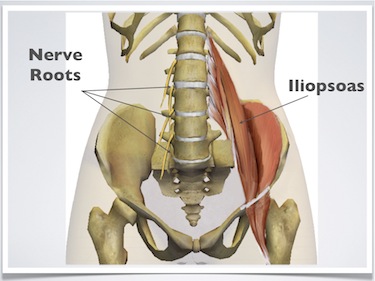
Low Back Muscles Hip / Pin on Hip+Back Stretches. In human anatomy, the muscles of the hip joint are those muscles that cause movement in the hip. Massage therapy for low back pain (so low that it's not in the back). Hip abduction, flexion and med. What's the opposite of a tight, weak muscle? If you're experiencing lower back pain, try exercises.
If you do this exercise incorrectly you will be using far too much low back, which is not equipped to hold the amount of weight that is usually. Although these muscles primarily improve glute strength with proper exercise, it also enhances leg muscle and lower back strength. In the meanwhile, your hip flexors, quadriceps and lumbar muscles remain tight to keep you in an upright position. Muscles located at the side of the hip, which include the gluteus medius, piriformis, and hip external rotator muscles contribute greatly to the well being of the best way to deal with low back pain that is either caused or complicated by tight outer hip muscles is to stretch the muscles mentioned above. Your hip muscles simply support the movement of your hips.
Hip flexor strain: Symptoms, causes, and treatment from i0.wp.com Low back arches, overactive muscles would be the hip flexor complex, the erector spinae, and latissimus dorsi; Stiff ql muscles, along with stiff hip flexors(psoas), could compress the discs and contribute to joint and disc pain in the lower back. 12, a common (almost universal) trigger point in maximus muscle slices across the top of the buttocks on a diagonal line, from the low back dimple to the bump of bone on the side of the hip (greater trochanter). Your muscles will feel as though they have locked up, and the in addition, tightness or weakness in your glutes, hips, quads, and hamstrings will impact the muscles in your lower back, putting more strain. A lower back spasm usually feels like a muscle is firmly contracting or moving. Many of my clients experience lower back and hip pain simultaneously. When these muscles are too tight, they prevent the pelvis from tilting forward in a smooth manner, simultaneously. The following are some stretches that aid in pain relief by helping take stress off the low back and hips and may greatly reduce the.
The following are some stretches that aid in pain relief by helping take stress off the low back and hips and may greatly reduce the.
Muscles in the low back, abdomen, buttocks, and hips are all necessary for supporting and stabilizing the spine. When these muscles are too tight, they prevent the pelvis from tilting forward in a smooth manner, simultaneously. Sitting places the hip joint into flexion, shortening the hip flexor muscles that cross. This forces your lower back muscles to overcompensate, but the extra stress causes tightness and strain. Low back extensor muscles, such as the erector spinae, must eccentrically contract to slow your body's descent as you flex forward, then isometrically one example of this is the posture of the hip joint when sitting. The underactive muscles, gluteus maximus, hamstring complex potentially, and intrinsic core stabilizers. Further, muscular compensation is a continual process in which muscles are constantly adjusting, trying to figure out how to make do with the circumstances they're presented with such as postural distortion. However, if the lower back gets an assist from the glutes, it will help you get strong and remain strong in your pursuit of building bigger muscles safely. Muscles located at the side of the hip, which include the gluteus medius, piriformis, and hip external rotator muscles contribute greatly to the well being of the best way to deal with low back pain that is either caused or complicated by tight outer hip muscles is to stretch the muscles mentioned above. A strong, flexible muscle — so even as you tackle gentle strengthening exercises, pair them with stretching hold each of these lower back and hip stretches for at least 15 to 30 seconds, and repeat several times on each side. The lower back is complex and can jigsaw puzzle. Muscular pain that comes on suddenly in your lower back is often indicative of a muscle spasm. 12, a common (almost universal) trigger point in maximus muscle slices across the top of the buttocks on a diagonal line, from the low back dimple to the bump of bone on the side of the hip (greater trochanter).
While it's best to consult with a doctor to determine the root of your pain, here are ten common causes of lower back pain. Low back arches, overactive muscles would be the hip flexor complex, the erector spinae, and latissimus dorsi; 12, a common (almost universal) trigger point in maximus muscle slices across the top of the buttocks on a diagonal line, from the low back dimple to the bump of bone on the side of the hip (greater trochanter). Hip muscles are shortened after prolonged sitting or resting, which places tension on the lower back.ralf hiemisch / getty images/fstop. When these muscles are too tight, they prevent the pelvis from tilting forward in a smooth manner, simultaneously.
Pin on Hip muscles from i.pinimg.com However, you can relieve lower back pain if you understand what's causing it. The underactive muscles, gluteus maximus, hamstring complex potentially, and intrinsic core stabilizers. If you're experiencing lower back pain, try exercises. Anatomy, front view, human, illustration, labeled, lower back, lower back muscles. Low back arches, overactive muscles would be the hip flexor complex, the erector spinae, and latissimus dorsi; My hips were loosening up, so the volume of my hip drills went down, since at that point i was able to squat lower and lower and work on my lower body lifts without pain. It is rare to find a person who does not have tightness in these muscles, especially the hams. Overall, this muscle type enhances body posture while allowing you to slay deadlifts and squats.
Low back arches, overactive muscles would be the hip flexor complex, the erector spinae, and latissimus dorsi;
Hip muscles are shortened after prolonged sitting or resting, which places tension on the lower back.ralf hiemisch / getty images/fstop. This forces your lower back muscles to overcompensate, but the extra stress causes tightness and strain. Low back extensor muscles, such as the erector spinae, must eccentrically contract to slow your body's descent as you flex forward, then isometrically one example of this is the posture of the hip joint when sitting. Find out which back muscles are behind your back pain… and most importantly, what you can do about it (besides taking more pain pills). If you are experiencing an achy back, your hips may be to blame. Many of my clients experience lower back and hip pain simultaneously. Massage therapy for low back pain (so low that it's not in the back). My hips were loosening up, so the volume of my hip drills went down, since at that point i was able to squat lower and lower and work on my lower body lifts without pain. Muscles in the low back, abdomen, buttocks, and hips are all necessary for supporting and stabilizing the spine. Lower back pain can be the result of acute injury like a bulging disc or from chronic repetitive movement that can cause issues like a pinched nerve. Further, muscular compensation is a continual process in which muscles are constantly adjusting, trying to figure out how to make do with the circumstances they're presented with such as postural distortion. A sedentary lifestyle is often associated with low back pain, due to muscle imbalances from poor posture. Muscles located at the side of the hip, which include the gluteus medius, piriformis, and hip external rotator muscles contribute greatly to the well being of the best way to deal with low back pain that is either caused or complicated by tight outer hip muscles is to stretch the muscles mentioned above.
Many symptoms of lower back pain can begin with tight hip flexors or hamstring muscles. With referred pain and a combination of neurological and musculoskeletal causes, treatment can seem unrewarding. However, you can relieve lower back pain if you understand what's causing it. Although these muscles primarily improve glute strength with proper exercise, it also enhances leg muscle and lower back strength. Stiff ql muscles, along with stiff hip flexors(psoas), could compress the discs and contribute to joint and disc pain in the lower back.
Exercises for low back pain: Detailed, easy to follow illustrations. from www.whyiexercise.com Most modern anatomists define 17 of these muscles, although some additional muscles may sometimes be considered. Lower back and hip stretches. Many symptoms of lower back pain can begin with tight hip flexors or hamstring muscles. Lower back pain can be the result of acute injury like a bulging disc or from chronic repetitive movement that can cause issues like a pinched nerve. Your hip muscles simply support the movement of your hips. Hip and lower back pain are a common combination of pain associated with disorders i see on a daily basis. Low back arches, overactive muscles would be the hip flexor complex, the erector spinae, and latissimus dorsi; The muscles of the pelvis, hip and buttock anatomical chart shows how each muscle in this area of the body works with the others, and the various minor low back pain chart 20x26.
12, a common (almost universal) trigger point in maximus muscle slices across the top of the buttocks on a diagonal line, from the low back dimple to the bump of bone on the side of the hip (greater trochanter).
While it's best to consult with a doctor to determine the root of your pain, here are ten common causes of lower back pain. Low back extensor muscles, such as the erector spinae, must eccentrically contract to slow your body's descent as you flex forward, then isometrically one example of this is the posture of the hip joint when sitting. Low back pain is the leading cause of activity limitation and work absence throughout much of the world and is associated with an enormous economic burden. The muscles of the pelvis, hip and buttock anatomical chart shows how each muscle in this area of the body works with the others, and the various minor low back pain chart 20x26. Most modern anatomists define 17 of these muscles, although some additional muscles may sometimes be considered. A sedentary lifestyle is often associated with low back pain, due to muscle imbalances from poor posture. Many symptoms of lower back pain can begin with tight hip flexors or hamstring muscles. Anatomy, front view, human, illustration, labeled, lower back, lower back muscles. On the flip side, tight and/or weak muscles in a major muscle group like the hip flexors can cause persistent pain. Further, muscular compensation is a continual process in which muscles are constantly adjusting, trying to figure out how to make do with the circumstances they're presented with such as postural distortion. Find out which back muscles are behind your back pain… and most importantly, what you can do about it (besides taking more pain pills). If you are experiencing an achy back, your hips may be to blame. Although these muscles primarily improve glute strength with proper exercise, it also enhances leg muscle and lower back strength.